
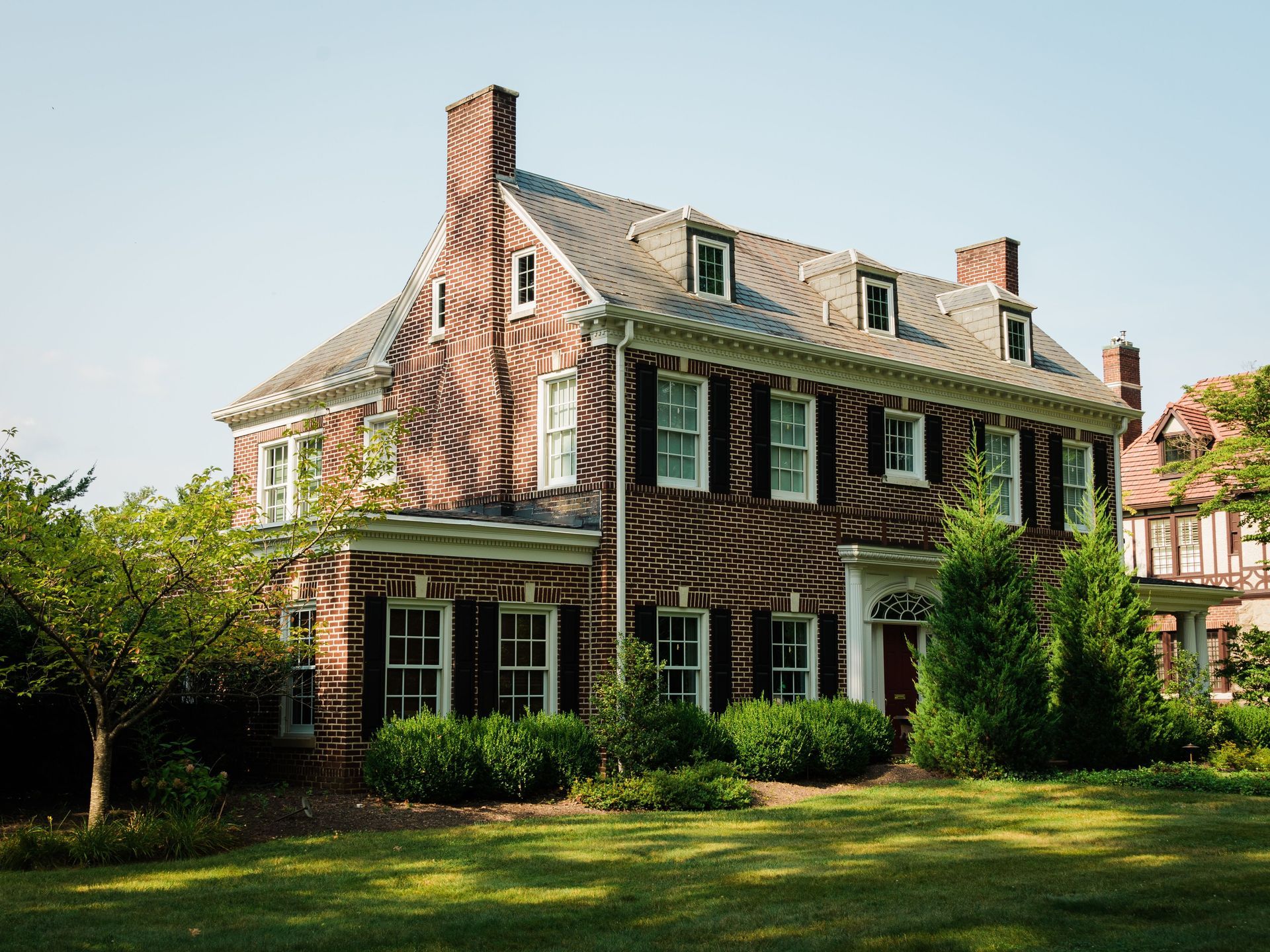
Dismantling Old Homes Without Losing Their Character
Historic home deconstruction in Dubuque for properties where salvage-first removal preserves original materials before demolition
Dubuque's residential neighborhoods contain a significant concentration of homes built between the 1870s and 1940s, a period when millwork, old-growth lumber, mortise-and-tenon joinery, and brick laid in full-bed mortar were standard construction practice. When one of these structures reaches the end of its useful life, a conventional demolition crew treats that craftsmanship as debris. All American Painting & Home Improvement approaches the work differently, performing historic home deconstruction in Dubuque that separates recoverable materials from the structure before any mechanical removal begins. Homeowners, estate executors, and property developers working with these older buildings are the primary clients for this service.
The deconstruction process begins with a systematic survey of the structure to identify what is worth recovering: original Douglas fir or heart pine flooring, ornamental trim, exterior doors with their original hardware, cast iron radiators, antique fixtures, and dimensional lumber cut to sizes that are no longer milled commercially. Those materials are carefully extracted by hand before heavier removal equipment is introduced. This sequencing matters because mechanical demolition crushes and contaminates materials that would otherwise be reusable, making salvage after the fact largely impossible.
Arrange an on-site evaluation to identify which materials in your property are worth recovering before deconstruction begins..
How Salvage-First Deconstruction Works in Practice
Once the salvageable inventory is identified, All American Painting & Home Improvement sequences the manual extraction to protect high-value elements first. Trim and millwork are removed with pry bars and oscillating tools rather than hammers, which preserves profile edges that would otherwise splinter. Flooring is lifted board by board, with fasteners removed rather than boards simply pried up from below, which keeps tongue-and-groove edges intact. Structural lumber is assessed for reuse grade based on species, condition, and whether it retains enough dimensional stock to be remilled or used as-is.
After extraction, the site transitions to conventional removal of what remains, and the sorted salvage is documented and set aside. What you will notice at project close is a cleared site with a categorized inventory of recovered materials rather than a single dumpster of mixed debris. Original doors, windows, mantels, or hardware that carried the character of the home are preserved as discrete, usable items rather than landfill tonnage.
The approach also reduces the overall volume of material that must be hauled and disposed of, which directly affects the logistics and cost of the final site clearance. Not every element of every structure is recoverable — lead paint, asbestos-containing materials, and severely deteriorated components require proper abatement and disposal protocols separate from the salvage stream, and that assessment is part of the pre-deconstruction evaluation..
What Property Owners Ask About the Work
Older homes in Dubuque, particularly those in the Langworthy and Cable Car Square areas, often contain layered construction history — original materials buried under later renovations — and that complexity shapes how deconstruction proceeds on a site-by-site basis.
What makes a home a good candidate for deconstruction rather than conventional demolition?
Homes built before roughly 1950 are the strongest candidates because they typically contain old-growth lumber, solid wood millwork, and masonry that was laid with more material per unit than modern equivalents. The denser the original construction, the more material there is to recover and redirect away from disposal.
How is the salvageable material identified before work begins?
A pre-deconstruction walkthrough documents the structure room by room, noting material species where visible, condition of trim and flooring, presence of original hardware, and accessibility of structural members. That inventory determines the sequencing and the labor allocation for the manual extraction phase.
What happens to materials that cannot be salvaged?
Components that are too deteriorated, contaminated, or structurally compromised to recover are separated from the salvage stream and handled through appropriate disposal. Materials with regulated substances such as lead paint or asbestos are flagged during the evaluation and addressed through licensed abatement before the main deconstruction work proceeds.
Why does the sequence of deconstruction matter for material condition?
Hand extraction must happen before mechanical equipment enters the structure. Once a bulldozer or excavator contacts the building, flooring splinters, trim shatters, and dimensional lumber fractures in ways that eliminate reuse value. The salvage-first sequence is what makes recovery possible at all.
What does a property owner receive at the end of the project?
The cleared site and a sorted inventory of recovered materials — each category of item separated and documented. You decide whether recovered materials stay with you, are donated, or are otherwise redirected; the deconstruction process itself ends with the site cleared and the salvage accounted for.
All American Painting & Home Improvement handles historic home deconstruction for properties where the craftsmanship inside the structure deserves a more deliberate removal process than conventional demolition provides. Speak with All American Painting & Home Improvement directly to discuss the specific construction history of your property and determine what a salvage-first approach would recover.